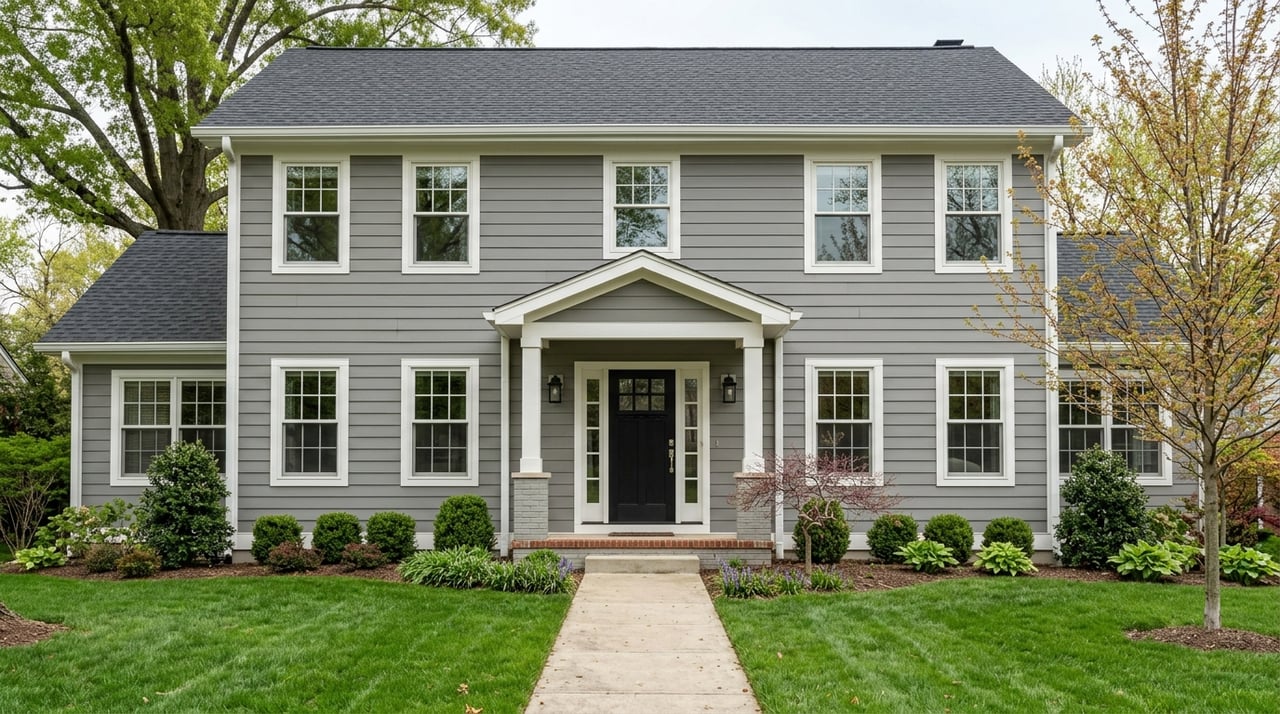
Reston vs Herndon for Commuters: Which Fits Best?
If your workday starts with the Silver Line, where you live can shape everything from your morning routine to how often you walk to dinner after work. You may be comparing Reston and Herndon because both offer access to Metro, but they support different kinds of commuter lifestyles. This guide breaks down the practical tradeoffs so you can choose the area that fits how you want to move through your day. Let’s dive in.
For commuters, the key stations in this comparison are Wiehle-Reston East and Reston Town Center in Reston, plus Herndon and Innovation Center in Herndon. These stations became part of the expanded Silver Line when the extension opened on November 15, 2022, adding six new stations and 11.4 miles of track, according to WMATA’s Silver Line opening announcement.
That matters because you are not just choosing a town. You are choosing a commute setup. In real life, that often comes down to whether you want to walk, drive, bike, or mix Metro with bus service.
If your goal is a more urban, walk-to-Metro routine, Reston often has the edge. The area around Reston Town Center is designed around a denser mixed-use environment, with residential and commercial uses together, pedestrian-oriented streets, and ground-level retail, based on Fairfax County planning materials for Reston.
That daily setup is especially appealing if you want your errands, dining, and entertainment close to the station. Reston Town Center sits next to a retail and dining district, and Reston Town Center itself includes more than 50 retailers, 35 restaurants, a cinema, events, and garage parking, according to Reston Association.
Reston also offers a broader amenity network beyond the immediate Metro core. Reston Association says it serves more than 60,000 people and maintains over 1,300 acres of open space, 55 miles of pathways, 15 pools, and four lakes. If you want a community where trails, recreation, and shared amenities are woven into everyday life, that is a meaningful advantage.
If you expect to drive to Metro, Herndon is usually the easier fit. The biggest practical difference between these areas is station parking. WMATA lists no commuter parking at Reston Town Center, while Herndon Station has parking for about 3,500 cars and Innovation Center has parking for about 2,000, based on WMATA station information.
That is a major factor if your routine starts by getting in the car. In Herndon, station-side garages are a central part of the commute pattern. In Reston, especially near Reston Town Center, the setup tends to favor people who live close enough to walk, bike, or connect another way.
Herndon also has a more small-town identity in its core. The town highlights a walkable, bikeable downtown, the W&OD Trail, Town Green events, arts programming, and more than 100 restaurants on its official visitor information page. If you want Metro access without giving up a more traditional downtown feel, Herndon stands out.
The biggest difference for many buyers is not distance. It is friction. How many steps does it take to get from your front door to the platform?
Herndon is generally stronger for drivers. The station parking supply at Herndon and Innovation Center makes commuting more straightforward if you do not plan to live within easy walking distance of Metro.
Reston can still work well if you are closer to Wiehle-Reston East or if you plan to use connecting transit. But if parking is central to your plan, Herndon is usually the simpler choice.
Reston often has the advantage if you want a denser, mixed-use setting. Reston Town Center gives you immediate access to restaurants, shops, entertainment, and a more active urban-style core next to the station.
That setup can make your weekdays feel easier. You may be able to grab dinner, meet friends, or run errands without adding another drive to your evening.
Both communities benefit from Fairfax Connector service tied to the newer Silver Line stations. Fairfax Connector rebuilt service around the extension, including Route 950 between Herndon Station and Reston Town Center Station, Route 951 between Wiehle-Reston East and Innovation Center, and RIBS 2 between Wiehle-Reston East and Reston Town Center.
That makes a car-light routine more realistic than it was before. In addition, Fairfax County reported that a new shared-use path to Innovation Center opened in 2026, linking several Herndon neighborhoods and reducing some walk or bike trips from 2 to 3 miles to about half a mile. For buyers who want better non-driving access to Metro, that is a meaningful improvement.
Choosing between Reston and Herndon is also about what you want your surroundings to feel like when you are not commuting.
Reston reads as a planned community with a strong amenity system and a well-defined mixed-use center. Near Reston Town Center, the housing pattern leans toward condos, townhouses, and cluster-style communities, based on Fairfax County planning documents and Reston Association’s network of more than 160 sub-associations.
For many buyers, that translates to convenience and consistency. You may find it easier to prioritize trails, pools, lakes, and walkable daily needs in one connected community structure.
Herndon has a different rhythm. Its official messaging centers on local events, parks, the W&OD Trail, arts and theatre, and a downtown with history and heart, according to the Town of Herndon.
That can appeal if you want Metro access paired with a smaller downtown identity. Around the station areas, planning and development materials point to a mix of apartments, townhouses, stacked condominiums, and support retail, suggesting a broader range of housing forms near transit.
If your top priority is living near a busy mixed-use center and being able to walk to restaurants or Metro, Reston is often the better match. The planning framework around Reston Town Center supports a downtown-style environment with strong pedestrian orientation.
If your top priority is flexibility, especially if you may drive, use bus connections, or prefer nearby residential neighborhoods with varied housing types, Herndon often deserves a closer look. Its station areas and access improvements support a wider range of commuting patterns.
Here is a simple way to think about it:
| Priority | Better Fit |
|---|---|
| Walk to Metro and dinner | Reston |
| Park-and-ride commuting | Herndon |
| Strong neighborhood amenity system | Reston |
| Traditional downtown feel | Herndon |
| Mixed-use urban-style center | Reston |
| Wider station-area parking access | Herndon |
For most Silver Line commuters, Reston is the stronger fit if you want a denser, amenity-heavy, walk-to-Metro lifestyle. Herndon is the stronger fit if you want easier park-and-ride access, a smaller downtown feel, and a broader mix of housing patterns. That conclusion follows from the station layouts, parking setup, transit connections, and local amenity patterns in the sources above.
The right answer depends on how you want your day to work. If you want to compare specific neighborhoods, condo communities, townhome options, or commute setups in and around Reston and Herndon, Eve M Thompson can help you narrow down the best fit with a local, practical perspective.
Stay up to date on the latest real estate trends.
Get assistance in determining current property value, crafting a competitive offer, writing and negotiating a contract, and much more. Contact me today.
EVE THOMPSON OF COMPASS
11943 Democracy Drive Reston, VA 20190