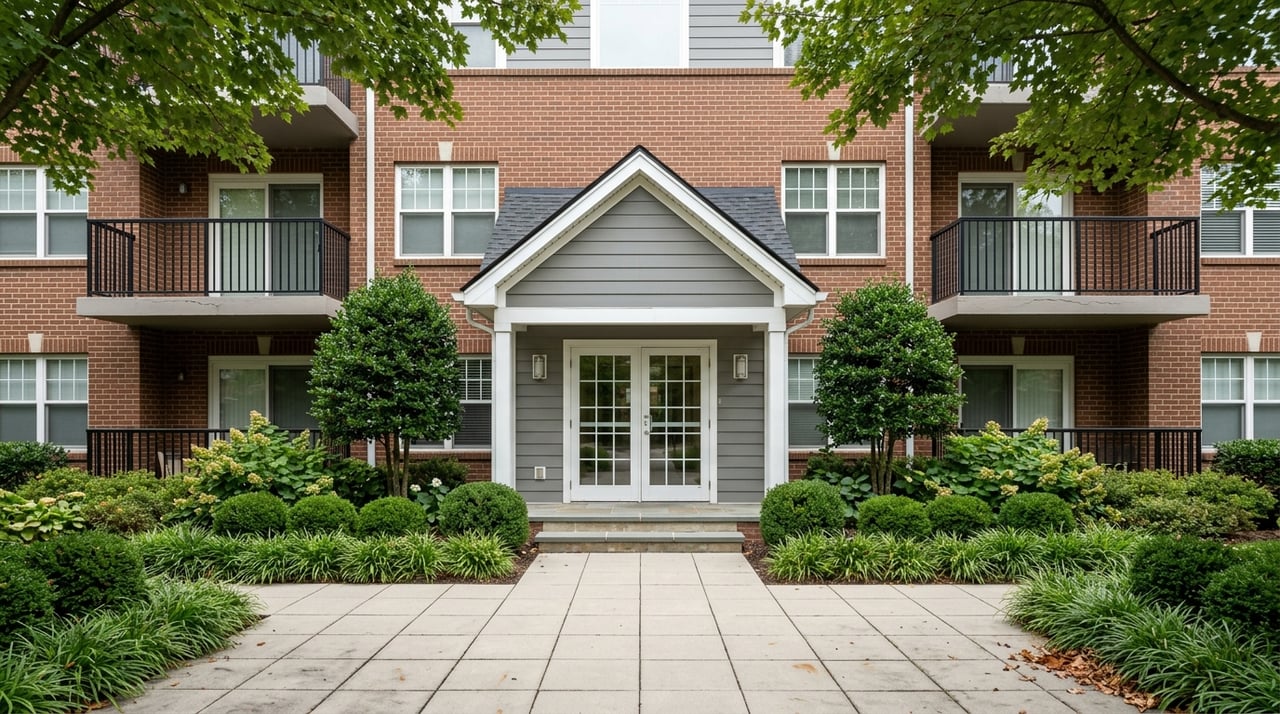
Are Reston Condos A Smart Rental Investment?
If you are eyeing a condo in Reston as a rental property, the short answer is yes, it can be a smart investment. The catch is that the building matters almost as much as the location. In Reston, strong renter demand and high typical rents can make condos appealing, but condo rules, fees, and financials can quickly change the math. Let’s dive in.
Reston has several traits that can support steady rental demand. It is not just a bedroom community. It is a planned community with transit access, mixed-use centers, trails, lakes, and a large employment base.
That combination matters if you are buying a condo for rental income. Many renters want convenience, access to work, and a low-maintenance lifestyle, and Reston checks many of those boxes.
Reston has two Silver Line stations within the community: Reston Town Center and Wiehle-Reston East. WMATA notes that Reston Town Center is within walking distance of dining, shopping, entertainment, YMCA Reston, the Washington and Old Dominion Trail, and nearby housing.
Wiehle-Reston East also functions as a Fairfax County transit hub with shops, housing, office space, and regional bus connections. Reston Station connects directly to Wiehle-Reston East and offers direct Silver Line access to Dulles Airport, which can add appeal for commuters and frequent travelers.
Fairfax County planning documents describe Reston as a planned community with integrated land uses, an extensive trail network, and a large employment base. The county’s planning framework also centers future growth around the Silver Line station areas.
For an investor, that helps explain why renter demand can remain broad here. People are not only choosing a unit. They are also choosing access to shops, restaurants, trails, offices, and everyday convenience.
Reston Association maintains 55+ miles of pathways and trails and four man-made lakes totaling 125 acres. Those amenities help support the kind of lifestyle many condo renters want, especially if they are looking for easy outdoor access without the upkeep of a detached home.
Reston Town Center adds another lifestyle anchor with more than 50 retailers and 35 restaurants. If you are comparing locations within Reston, proximity to these amenities can be a meaningful factor in rental appeal.
Reston is a relatively high-rent submarket. Census QuickFacts lists Reston’s median gross rent at $2,231, with median household income at $148,710, bachelor’s degree or higher at 72.0%, and average household size at 2.24.
Recent rent trackers also place Reston above many surrounding markets, though the figures vary by methodology. Apartments.com reported about $2,317 per month in May 2026, while Realtor.com reported about $2,725 per month in March 2026.
That does not mean every condo will cash flow well. It does mean the market context is strong enough that a well-chosen condo may attract renters at relatively solid price points.
This is where many condo investors get tripped up. In Reston, the question is not only whether the market supports renting out a condo. The question is whether that specific condo association makes renting practical.
Virginia law gives owners some protections, but the condo’s documents still matter a great deal.
Under the Virginia Condominium Act, a unit owners’ association generally may not prohibit or condition rental in the ways many buyers fear. The association generally may not charge annual or monthly rental fees, require an association-drafted lease or addendum, charge a deposit, or evict tenants.
The association may, however, require practical information such as tenant names and contact information, vehicle information, and acknowledgment of the rules. That can help associations manage the property without overstepping what state law allows.
Even with those state limits, you should never assume all Reston condos are equally investor-friendly. The condo’s recorded instruments can still contain rental-related restrictions that affect how usable the property is as an investment.
Virginia’s standardized resale certificate is especially important here. It discloses any restriction on your ability to rent the unit, along with occupancy or age limits, parking or vehicle restrictions, assessments, reserve information, budgets, insurance, and pending litigation.
In practical terms, that means the resale certificate and governing documents should be high on your review list before you write an offer. A condo may look like a strong rental on paper, but if the rules or financials are weak, the investment may not hold up.
A Reston condo is more likely to work well as a rental when the property combines strong location with manageable ownership costs and reasonable association rules. You want the market advantages of Reston without building-level issues wiping them out.
Here are the main signs to look for.
Condos near Metro, Reston Town Center, Reston Station, or other employment hubs often have a stronger rental story. Access to the Silver Line, shopping, dining, and daily conveniences can widen your potential renter pool.
This is especially relevant in a community like Reston, where location is often tied to lifestyle as much as commute. A condo that offers walkability and low-maintenance living may be attractive to renters who do not want a more car-dependent setup.
A building with clear, workable rental policies is usually easier to own as an investment. You want to know upfront whether there are meaningful restrictions in the recorded documents and whether the association’s requirements are reasonable to manage.
This is one of the biggest differences between a condo that looks good online and one that truly works as a rental asset. Two condos in the same part of Reston can perform very differently if their association structures are different.
Association financial health matters because it can affect your monthly carrying costs and your risk. The resale certificate can provide reserve information, budgets, assessments, insurance details, and pending litigation, all of which deserve close attention.
If reserves are healthy and dues are manageable, the condo may be easier to hold long term. If the building faces weak reserves or surprise costs, your returns can get squeezed fast.
High rents alone do not guarantee a good investment. The real test is whether expected rent still makes sense after HOA dues and other ownership costs are accounted for.
A condo becomes less attractive when monthly fees or special assessments eat too much of the income. In that case, the Reston location may still be desirable, but the unit itself may not be a smart rental purchase.
Not every condo in a strong market is a strong rental. In Reston, the biggest risks tend to come from building-specific governance and costs, not from a lack of renter appeal in the area.
Watch for these warning signs:
If several of these issues show up together, the condo may be harder to rent profitably even in an otherwise attractive location.
If you move forward with a rental condo, you also need a lease that works under Virginia law. Under the Virginia Residential Landlord and Tenant Act, a security deposit is capped at two months’ periodic rent.
The law also requires a fee-disclosure statement at the front of the written lease. If the rental property changes hands, security deposits must be transferred to the new owner.
For condo owners, the practical point is simple: your lease needs to fit both state landlord-tenant law and the condo’s governing documents. That is why confirming the building’s rules before marketing the unit is so important.
If you are considering a Reston condo as a rental investment, keep your review process focused and building-specific.
This is where local knowledge can make a real difference. A condo near Lake Anne, Reston Town Center, or a Metro station may have strong rental appeal, but you still want to compare the building’s rules and financials before making a decision.
In many cases, yes. Reston has the ingredients that often support rental demand: Silver Line access, major mixed-use centers, an extensive trail system, lakes, and relatively high rents.
But the smarter answer is this: some Reston condos are strong rental candidates, and some are not. The difference usually comes down to rental rules, HOA costs, reserve health, and the details disclosed in the resale certificate.
If you want to buy with confidence, focus less on broad assumptions and more on the exact building you are considering. If you are weighing condo options in Reston and want help comparing locations, association details, and long-term resale appeal, Eve M Thompson can help you make a more informed move.
Stay up to date on the latest real estate trends.




Get assistance in determining current property value, crafting a competitive offer, writing and negotiating a contract, and much more. Contact me today.

EVE THOMPSON OF COMPASS
11943 Democracy Drive Reston, VA 20190