Spring in Reston moves fast, and so do serious buyers. If you’re thinking about listing this spring, a clear plan can save you time, stress, and money. You want to price smart, prep wisely, and launch at the right moment to stand out. This guide gives you a simple, step-by-step timeline tailored to Reston so you know exactly what to do and when. Let’s dive in.
Why spring in Reston works
Spring is the peak home-buying season in the Washington area, and Reston benefits from that momentum. Buyer activity typically increases from March through May, which can shorten days on market. Inventory often rises too, so the goal is to show your home at its best and price it to compete.
Reston attracts a wide buyer pool thanks to commuter access to major job centers in Reston, Tysons, and DC. Many buyers also look for nearby schools, parks, trails, and community amenities. If your home is in a homeowners association, condo community, or the Reston Association, rules and expectations vary by neighborhood, so early prep and clear disclosures matter.
Timing also helps. Many agents list mid-week to catch weekend shoppers. With the right plan, you can be photo-ready and listed at just the right moment.
A simple 6 to 8 week timeline
Week 0: Decide and connect with Eve
- Schedule a walk-through to discuss your goals, timing, and move plan.
- Request a comparative market analysis and talk through a pricing strategy.
- Outline your target “go live” date so contractors, staging, and photos can be timed.
Week 1: Valuation and strategy
- Review Eve’s CMA and choose a pricing approach that fits spring demand and your goals.
- Prioritize repairs and updates. Separate quick fixes from larger projects.
- Confirm the marketing plan, including staging, photography, floor plans, and virtual tour.
Weeks 1 to 3: Prep and repairs
- Knock out safety and function items first. Address roof leaks, HVAC function, water issues, and any electrical concerns.
- Tackle high-impact cosmetic work. Fresh neutral paint, curb appeal, updated lighting and hardware, and a deep clean go a long way.
- Declutter and depersonalize to help buyers focus on the space.
- If needed, obtain quotes and permits for work that requires approval. Check Fairfax County permitting early.
- Consider a pre-listing inspection to surface issues before buyers do. Decide with Eve whether to repair, credit, or disclose.
Week 3: Staging and final polish
- Decide on full staging for a vacant home or partial staging for occupied spaces. Virtual staging is an option for vacant rooms, and it should be clearly disclosed in photos.
- Complete final cleaning. Add simple, neutral touches that highlight light and space.
Weeks 3 to 4: Media and listing launch
- Schedule professional photography, floor plans, and a virtual tour. These are standard in Northern Virginia and help drive showings.
- Build your Bright MLS listing with accurate details and room measurements.
- Go live mid-week when possible to reach weekend shoppers. Coordinate broker tours and open houses if they fit your plan and buyer profile.
After launch: Showings and offers
- Expect activity within days to weeks, depending on price and market conditions. Create a system for fast responses and clear feedback.
- Review offers with Eve and negotiate price, contingencies, closing date, and credits.
Under contract: From contract to close
- The buyer’s inspection window is commonly 5 to 10 days, depending on the contract. Negotiate repairs or credits based on findings.
- If the buyer is financing, the appraisal follows. If the appraisal comes in below the contract price, prepare to discuss options.
- Most financed closings in our area take about 30 to 45 days. Cash deals can close faster if title and documents are ready.
Prep priorities that pay off
Focus on the visible and the essential. You want buyers to walk in and feel confident.
- Safety and systems: Fix leaks, HVAC issues, and electrical concerns. Address moisture and mold.
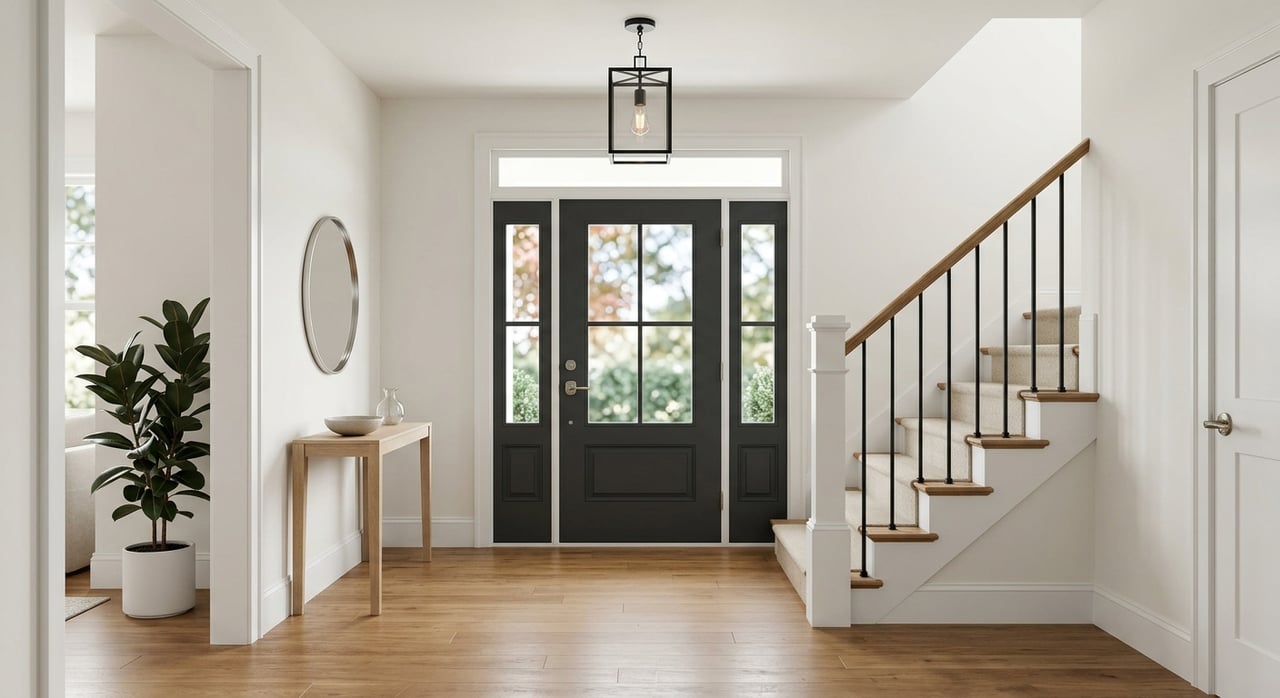
- Paint: Use neutral, light colors to make rooms feel bigger and brighter.
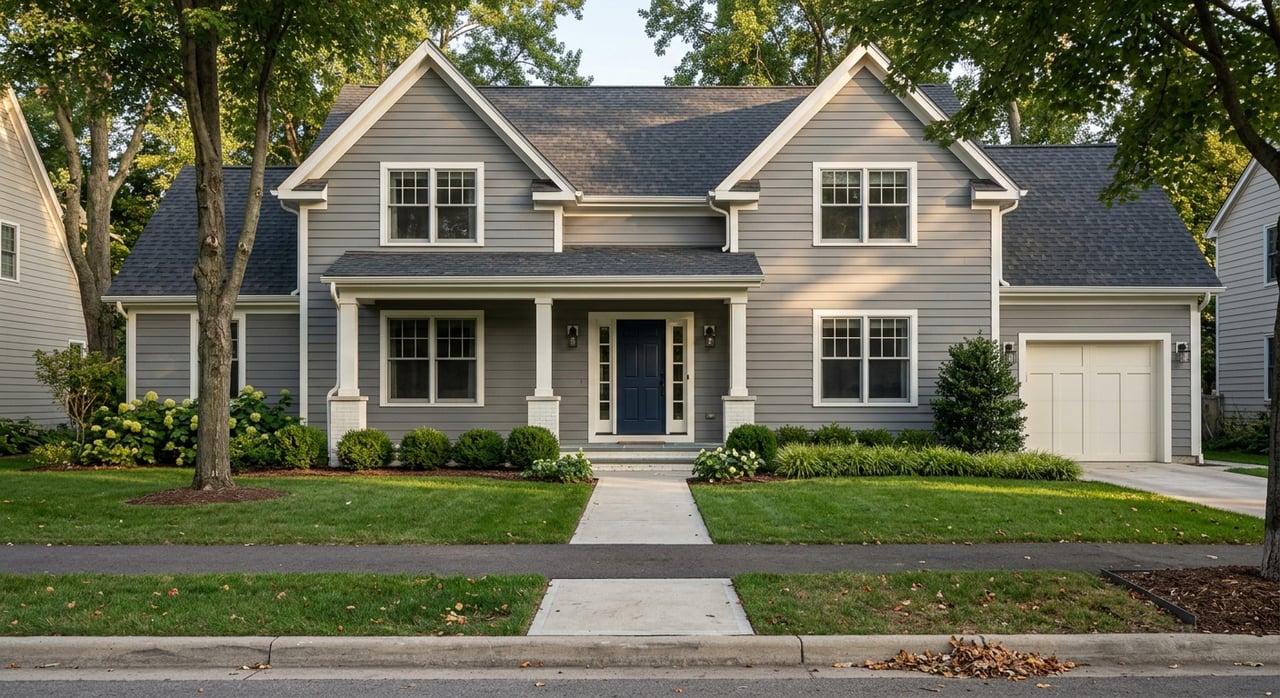
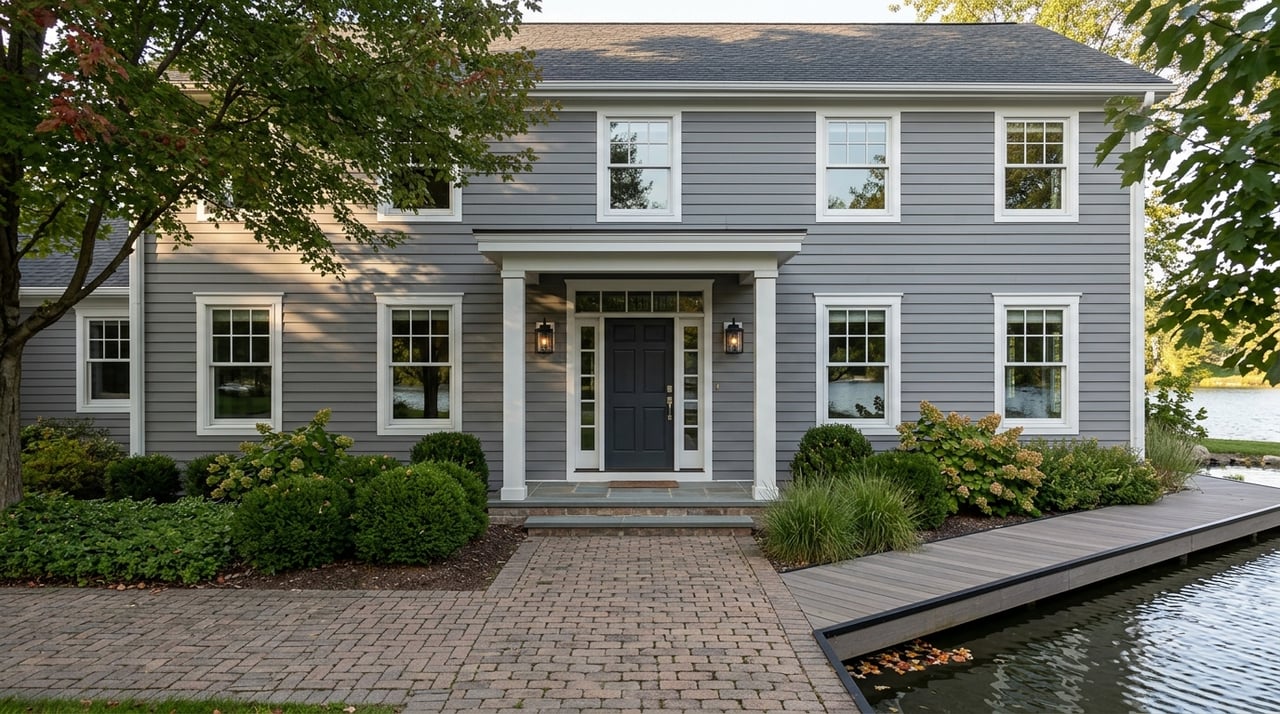
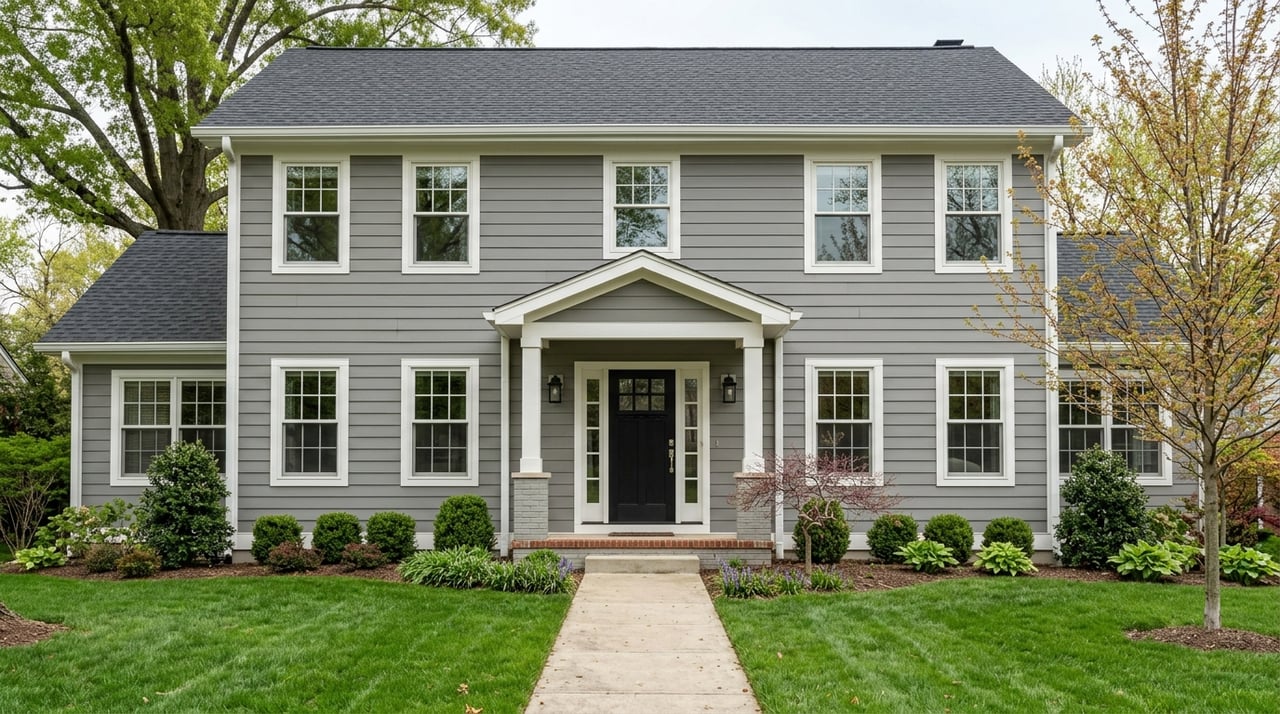
- Curb appeal: Tidy landscaping, fresh mulch, clean walkways, and a welcoming front door.
- Lighting and hardware: Swap dated fixtures and knobs for budget-friendly upgrades.
- Deep cleaning: Floors, windows, grout, and appliances should be spotless.
Approximate pre-listing costs vary by scope, but here are typical ranges:
- Professional photography and floor plan: $250 to $600
- Staging, partial to full: $500 to $4,000 or more
- Decluttering and deep cleaning: $150 to $1,000
- Minor repairs and cosmetic updates: $500 to $10,000
- Pre-listing inspection: $300 to $600
Eve can help you prioritize line items by return on investment and connect you with vetted local pros. If you want to front-load the most impactful updates, ask about using a pay-at-closing program through Compass to streamline prep.
Price it right with Eve
Pricing is a strategy, not just a number. Your list price should attract strong interest while protecting your net.
- CMA: Eve will compare recent sales, pending deals, and current competition in your Reston micro-neighborhood and property type.
- Strategy: Decide whether you want to invite multiple offers or aim to maximize list-to-sale price with a more conservative approach.
- Review plan: If you are not getting enough showings, have a plan to review feedback and days on market after 7 to 14 days.
- Financing mix: Many buyers use conventional, VA, or FHA loans. Appraisal risk affects negotiation, so weigh this when comparing offers.
Marketing that attracts buyers
Presentation drives traffic in Northern Virginia. Meet and exceed buyer expectations online and in person.
- Photography and tours: Professional photos and a virtual tour help your home rise to the top of search results. Floor plans and accurate measurements let buyers pre-qualify the fit.
- Staging: Full staging can be worth it for vacant homes. Partial staging and a strong declutter plan usually work for occupied homes. If you use virtual staging for empty rooms, disclose it clearly.
- Broker tours and open houses: Broker tours can deliver key early exposure. Open houses are optional, since many qualified offers come from private showings. Decide with Eve based on your buyer profile and schedule.
- Timing: A mid-week launch often captures weekend searches. Confirm showing instructions and any HOA or building rules to avoid conflicts.
Documents and disclosures to prepare
Being organized speeds up your sale and reduces risk of delays.
- Association documents: If you are in the Reston Association, a condo association, or an HOA, order the resale packet early. It includes rules, dues, and any pending assessments.
- Permits and improvements: Gather permits for past work and any renovation invoices. Unpermitted work can complicate negotiations.
- Appliance manuals and maintenance records: These help buyers understand how the home has been cared for.
- Utility bills and the latest tax assessment: Buyers often ask for estimated operating costs.
- Lead-based paint: For homes built before 1978, sellers must provide a lead-based paint disclosure and an EPA pamphlet to buyers.
- Material facts: Disclose known material issues about the property. Discuss specifics with Eve and, if needed, local counsel.
What to expect after listing
Once your home is live on Bright MLS, you will likely see showing requests quickly, especially in spring. Keep the home show-ready and maintain flexibility for appointments.
If you receive multiple offers, evaluate the full package. You will consider price, financing, appraisal risk, contingencies, closing date, and any requested credits. After you go under contract, the buyer’s inspection and appraisal periods begin. Respond to repair requests promptly to keep momentum.
Most financed transactions close in about 30 to 45 days after ratification. Cash deals can close in 7 to 14 days if title, payoff statements, and association documents are in order. Getting your HOA or condo resale packet early helps prevent last-minute delays.
Ready to list this spring?
If a spring sale is on your mind, start now. A short planning call and a walk-through can set your timing, budget, and to-do list. Get a personalized valuation and a tailored prep plan for your Reston home by reaching out to Eve M Thompson. You will get clear steps, trusted local resources, and a calm process from decision to closing.
FAQs
When should I start prepping for a spring sale in Reston?
- Begin 4 to 8 weeks before your target list date so you have time for repairs, staging, photos, and document prep.
Is a pre-listing inspection worth it for Reston homes?
- It can be helpful to surface issues early and reduce surprises during the buyer’s inspection; discuss cost and scope with Eve.
What day should I go live on the MLS in spring?
- Many sellers aim for a mid-week launch to reach weekend shoppers; align photography and marketing to support this timing.
How much should I spend on staging and repairs?
- Focus on high-visibility, budget-friendly fixes like paint, landscaping, lighting, and deep cleaning; use Eve’s guidance to prioritize ROI.
Are open houses necessary in Reston?
- Private showings drive most qualified offers; open houses can add exposure, and broker tours can help with early visibility.